Zomato isn't really selling food
The food is the least interesting part. The delivery network underneath it may end up worth more than the app that started it.
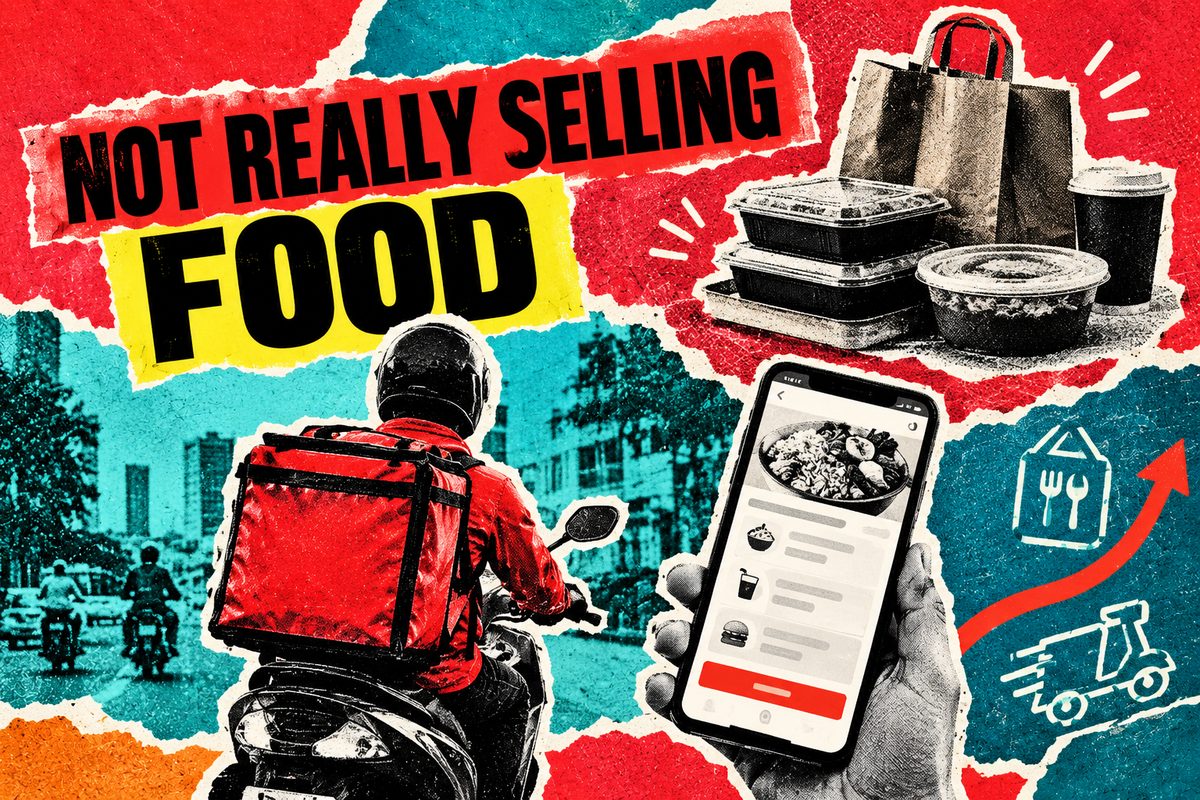
i’ve ordered food through Zomato plenty of times, but the food isn’t what interests me anymore. the restaurant makes it. the delivery partner moves it. Zomato sits in the middle and coordinates the whole thing. that sounds simple until you think about how many things have to go right at once.
three people all need to be happy
the customer wants low prices, fast delivery, and good food. the restaurant wants more orders, reasonable commissions, and repeat customers. the delivery partner wants enough orders to make the time worth it. and Zomato has to keep the whole system working without making any of the three miserable. that’s a marketplace problem, and marketplaces are hard, because helping one side can quietly hurt another.
the interesting asset is the network
Eternal, the company formerly known as Zomato, runs food delivery alongside Blinkit, Hyperpure and other businesses. that makes it more interesting than a food-delivery app. the same customer relationship can stretch into other kinds of spending, and the same delivery setup can carry different categories. the value isn’t just that the company is big. it’s that the network can be used more often.
quick commerce changes the maths
Blinkit makes the story stranger. someone ordering dinner and someone ordering toothpaste look like completely different customers. but operationally, both are inventory, picking, and last-mile delivery. if one network can serve both, it gets used more, and the economics improve. that’s the theory. the numbers still have to prove it.
sometimes the first business you build is just the excuse for building the second one.
that’s how i think about Zomato now. less as an app for ordering dinner, more as a bet on whether one dense delivery network can carry an entire habit of everyday buying.
Comments
Likes and comments turn on once your Supabase keys are added — see the relaunch guide.